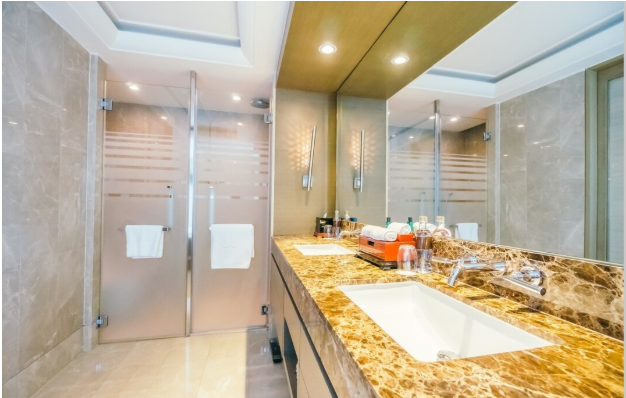
Bathrooms are under constant exposure to water, steam, and humidity. Showers, bathtubs, sinks, and toilets generate moisture every day in enclosed spaces with limited ventilation. When renovation projects focus only on visible upgrades, underlying moisture risks remain unaddressed.
This oversight leads to deterioration and repeated repairs. The role of waterproofing services in bathroom remodeling becomes essential because it strengthens the space at its core, ensuring that surfaces and systems perform reliably over time.
Here are some benefits of waterproofing services that focus on outcomes that directly affect durability, comfort, and long-term value. Read on!
Better Protection Against Structural Damage
Water follows gravity and pressure, finding its way into joints, seams, and porous materials. In bathrooms, this movement occurs behind tiles, beneath flooring, and inside wall cavities. Over time, moisture weakens subfloors, softens drywall, and corrodes fasteners.
These changes compromise the structural integrity of the space and remain hidden until visible damage appears. Waterproofing services maintain the strength of the bathroom’s underlying framework. Dry substrates retain their load-bearing capacity and resist deformation.
Floor systems remain level, walls stay firm, and fixtures maintain proper alignment. This protection prevents sagging tiles and uneven surfaces that signal deeper problems.
Extended Life of Finishes and Fixtures
Bathroom finishes face constant stress. Tiles endure repeated wetting and drying cycles. Grout absorbs moisture if left unprotected. Wood-based materials swell and contract. These effects shorten the lifespan of finishes and demand frequent repairs or replacements.
Effective moisture control during bathroom remodeling reserves materials in their optimal condition. Tiles remain firmly bonded and sealants maintain flexibility. Cabinets and vanities keep their shape and surface quality. Fixtures retain their finish and mechanical reliability.
When materials perform within stable moisture conditions, their appearance and function endure longer and preserve the original design.
Healthier Indoor Environment
Bathrooms provide ideal conditions for mold and mildew when moisture accumulates. Warm temperatures, limited airflow, and organic residues create an environment where biological growth happens.
Mold spores spread through the air, affecting respiratory comfort and triggering allergic reactions. Odors develop, signaling compromised hygiene and deeper moisture issues.
A dry bathroom environment discourages biological growth. When water cannot penetrate surfaces or linger behind walls, mold can’t establish itself. Air quality improves, and surfaces remain easier to clean. This cleanliness matters in a space associated with personal hygiene.
Reduced Repair and Maintenance Costs
Water damage leads to expensive repairs because it spreads beyond the initial problem area. A small leak can affect flooring, walls, and adjacent rooms. Repairing this damage requires demolition, material replacement, and labor-intensive restoration.
Insurance coverage may not apply to gradual moisture damage, increasing financial burden. Preventive moisture management limits these risks. By stopping water intrusion early, it reduces the likelihood of emergency repairs and costly replacements.
Increased Property Value
Bathrooms play a significant role in property evaluations. Buyers and inspectors pay close attention to signs of moisture damage, such as staining, warping, or musty odors. These indicators raise concerns about hidden issues and future expenses.
Properties with durable, well-maintained bathrooms get better market appeal and retain value over time. The investment supports both present enjoyment and future resale potential.
