
A chimney plays an essential role in maintaining proper ventilation, safety, and efficiency in your home. However, one often overlooked yet critical component is the chimney cap. If your chimney cap is damaged, missing, or worn out, chimney cap replacement becomes necessary to protect your home from moisture, debris, and unwanted animals.
Many homeowners ignore chimney maintenance until problems arise, but timely chimney cap replacement helps prevent expensive repairs, improves heating efficiency, and extends your chimney’s lifespan. This comprehensive guide explains everything you need to know — from understanding chimney caps to installation, costs, maintenance, and benefits.
What is a Chimney Cap?


A chimney cap is a protective covering installed at the top of a chimney flue. It typically consists of a metal hood and mesh sides that allow smoke to escape while blocking external elements.
It serves several essential functions:
-
Prevents rainwater from entering the chimney
-
Keeps birds and animals from nesting
-
Blocks debris like leaves and twigs
-
Prevents sparks from escaping
-
Improves chimney draft performance
Without a chimney cap, your home becomes vulnerable to moisture damage and ventilation issues, which is why chimney cap replacement is crucial when the cap is damaged or missing.
Why Chimney Cap Replacement is Important
Replacing a damaged chimney cap is not just maintenance — it is an essential safety measure. Below are the primary reasons homeowners prioritize chimney cap replacement.
1. Prevents Water Damage
Rainwater entering the chimney can cause rust, masonry deterioration, mold growth, and structural damage. A proper cap prevents moisture penetration.
2. Keeps Animals Out
Birds, squirrels, and raccoons often enter open chimneys. Chimney cap replacement prevents costly infestations and blockages.
3. Improves Fireplace Efficiency
A well-fitted cap improves airflow and draft control, allowing your heating system to function efficiently.
4. Reduces Fire Hazards
The mesh screen acts as a spark arrestor, preventing burning embers from escaping.
5. Protects Chimney Structure
Constant exposure to weather weakens chimney materials. A new cap provides long-term protection.
Timely chimney cap replacement ensures safety, comfort, and durability for your home.
Signs You Need Chimney Cap Replacement
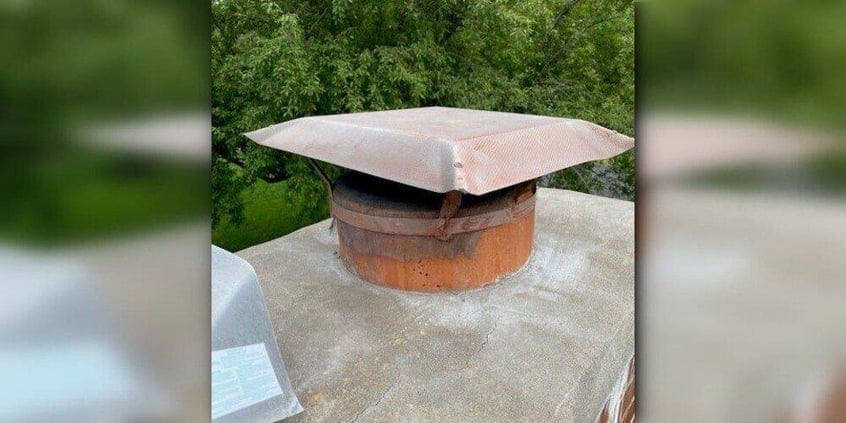

Homeowners should regularly inspect their chimney for warning signs indicating chimney cap replacement is necessary.
Common Indicators
-
Visible rust or corrosion
-
Missing chimney cap
-
Water leaks near fireplace
-
Animal noises in chimney
-
Poor fireplace draft
-
Debris falling into fireplace
-
Bent or damaged metal cover
Ignoring these signs may lead to more serious chimney damage and costly repairs.
Types of Chimney Caps
Understanding different chimney cap types helps homeowners choose the right option during chimney cap replacement.
Stainless Steel Chimney Caps
-
Highly durable
-
Rust resistant
-
Long lifespan
-
Low maintenance
Copper Chimney Caps
-
Premium appearance
-
Extremely durable
-
Develop attractive patina
-
Higher cost
Galvanized Steel Chimney Caps
-
Budget-friendly
-
Moderate durability
-
Requires replacement sooner
Custom Chimney Caps
-
Designed for unique chimney sizes
-
Enhanced protection
-
More expensive but long-lasting
Selecting the right material ensures effective chimney cap replacement and long-term performance.
Chimney Cap Replacement Process
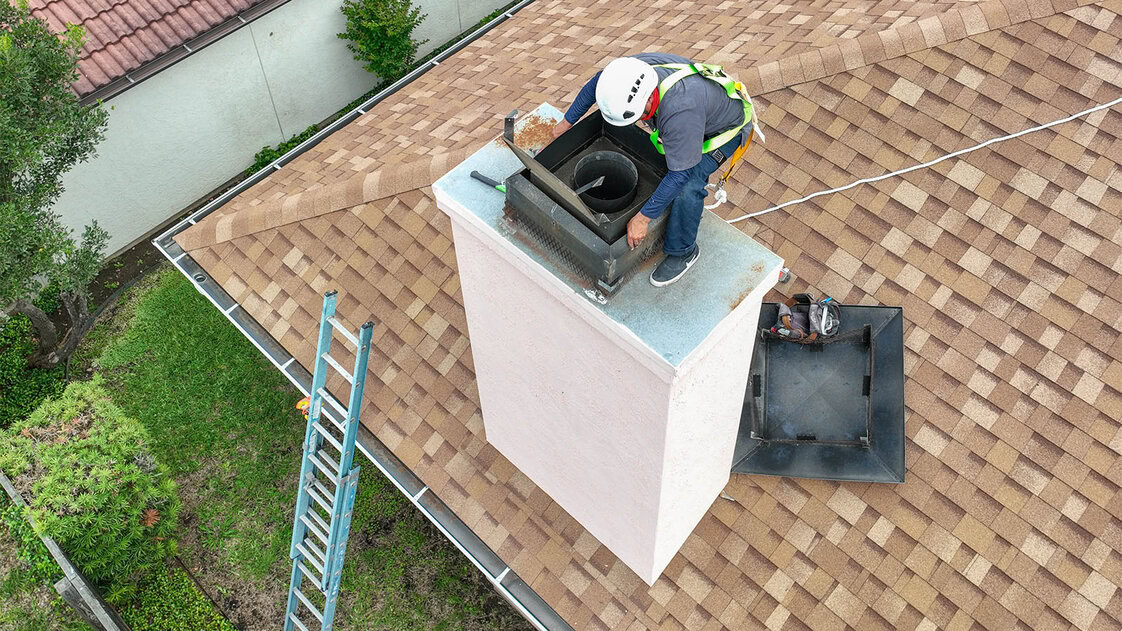

Understanding the installation process helps homeowners make informed decisions about chimney cap replacement.
Step 1: Chimney Inspection
A professional checks the chimney structure, flue size, and damage level.
Step 2: Measuring the Flue
Accurate measurements ensure proper fit and performance.
Step 3: Choosing the Right Cap
Material, size, and design are selected based on chimney requirements.
Step 4: Removing Old Cap
Damaged or rusted caps are carefully removed.
Step 5: Installing New Cap
The new cap is secured using screws or clamps.
Step 6: Final Testing
Airflow and stability are tested after installation.
Professional chimney cap replacement ensures safety and correct installation.
Chimney Cap Replacement Cost
The cost of chimney cap replacement depends on material, labor, and chimney size.
Estimated Cost Table
| Chimney Cap Type | Average Cost (Material) | Installation Cost | Total Estimate |
|---|---|---|---|
| Galvanized Steel | ₹1,500 – ₹4,000 | ₹2,000 – ₹6,000 | ₹3,500 – ₹10,000 |
| Stainless Steel | ₹4,000 – ₹12,000 | ₹3,000 – ₹8,000 | ₹7,000 – ₹20,000 |
| Copper | ₹12,000 – ₹30,000 | ₹4,000 – ₹10,000 | ₹16,000 – ₹40,000 |
| Custom Caps | ₹15,000+ | ₹5,000 – ₹12,000 | ₹20,000+ |
Prices vary by location, roof accessibility, and chimney design.
Benefits of Professional Chimney Cap Replacement
Hiring professionals for chimney cap replacement offers several advantages:
-
Proper sizing and installation
-
Improved safety standards
-
Warranty protection
-
Reduced risk of roof damage
-
Long-term durability
-
Efficient chimney performance
While DIY installation is possible, professional service ensures reliability.
DIY vs Professional Chimney Cap Replacement
| Feature | DIY Replacement | Professional Replacement |
|---|---|---|
| Cost | Lower upfront cost | Higher but reliable |
| Safety | Risky for beginners | Safe installation |
| Tools Required | Specialized tools needed | Provided by technician |
| Installation Quality | May vary | Guaranteed quality |
| Time Required | Longer | Quick service |
Homeowners comfortable with roof work may attempt DIY, but most prefer expert chimney cap replacement.
How Often Should You Replace a Chimney Cap?
The lifespan depends on material quality and weather exposure.
-
Galvanized steel: 3–5 years
-
Stainless steel: 10–20 years
-
Copper: 20+ years
Annual inspections help determine when chimney cap replacement is needed.
Chimney Cap Maintenance Tips
Proper maintenance reduces the need for frequent chimney cap replacement.
Regular Inspection
Check for rust, loose fittings, and blockages annually.
Cleaning Debris
Remove leaves, soot, and dirt buildup.
Check Mesh Screen
Ensure the spark arrestor is intact.
Repair Minor Damage
Fix small issues before full replacement becomes necessary.
Routine maintenance extends chimney performance and lifespan.
Problems Caused by Missing Chimney Caps
A missing chimney cap can create serious issues:
-
Water damage to interior walls
-
Chimney liner deterioration
-
Animal infestations
-
Smoke backup into home
-
Reduced heating efficiency
-
Increased fire risk
Prompt chimney cap replacement prevents these hazards.
How to Choose the Right Chimney Cap
When planning chimney cap replacement, consider:
Chimney Size
Ensure accurate measurement for proper fit.
Material Durability
Choose weather-resistant materials.
Climate Conditions
Select corrosion-resistant options in humid areas.
Budget
Balance cost with longevity.
Design Compatibility
Match cap style with chimney structure.
Proper selection ensures effective protection and performance.
Environmental Benefits of Chimney Cap Replacement
Replacing an old chimney cap also benefits the environment:
-
Improves heating efficiency
-
Reduces energy waste
-
Prevents harmful emissions leakage
-
Supports sustainable home maintenance
Energy-efficient homes contribute to environmental conservation.
Seasonal Importance of Chimney Cap Replacement
Winter Protection
Prevents snow buildup and improves heating.
Monsoon Safety
Blocks heavy rain entry and moisture damage.
Summer Maintenance
Ideal time for inspection and replacement.
Seasonal care enhances chimney durability year-round.
Safety Considerations During Chimney Cap Replacement
Safety is essential during chimney cap replacement:
-
Use proper roof safety equipment
-
Avoid installation during wet weather
-
Secure ladders correctly
-
Wear protective gloves
-
Ensure stable footing
Professional services reduce accident risks.
Chimney Cap Replacement FAQs
What is chimney cap replacement?
Chimney cap replacement is the process of removing a damaged or missing chimney cap and installing a new protective covering on the chimney.
How long does chimney cap replacement take?
Professional installation usually takes 1–2 hours.
Can I use my fireplace without a chimney cap?
It is not recommended due to safety and moisture risks.
Does chimney cap replacement improve efficiency?
Yes, it improves draft performance and heating efficiency.
Is chimney cap replacement expensive?
Costs vary based on material and installation complexity.
Conclusion
Chimney cap replacement is a critical aspect of home maintenance that protects your chimney, improves safety, and enhances heating efficiency. From preventing water damage and animal intrusion to improving airflow and reducing fire hazards, a properly installed chimney cap provides long-term benefits.
Regular inspections, timely replacement, and proper maintenance help homeowners avoid costly repairs and ensure optimal chimney performance. Whether you choose DIY installation or professional service, investing in chimney cap replacement ensures your home remains safe, efficient, and protected for years to come.
Read More:- Chimney Cap Installation Guide: Benefits, Types, Costs, and Step-by-Step Process


