
Introduction
Flooring plays a crucial role in defining the appearance, comfort, and durability of any living or commercial space. Among the wide range of flooring options available today, linoleum flooring rolls have gained popularity for their eco-friendly properties, durability, and stylish designs. Homeowners, interior designers, and commercial property owners increasingly prefer this flooring type because it offers long-term performance while maintaining aesthetic appeal.
This comprehensive guide explores everything you need to know about linoleum flooring rolls, including their features, advantages, installation methods, maintenance requirements, and cost considerations. If you are planning a renovation or new construction project, understanding this flooring solution can help you make a well-informed decision.
What Are Linoleum Flooring Rolls?
Linoleum flooring is a natural floor covering made from renewable materials such as linseed oil, cork powder, wood flour, limestone, and natural pigments. These materials are pressed onto a jute backing to create durable sheets that are sold in roll form.
Unlike vinyl flooring, which is synthetic, linoleum flooring rolls are biodegradable and environmentally friendly. They are available in various colors, textures, and patterns, making them suitable for both modern and traditional interiors.
The manufacturing process involves oxidation of linseed oil, mixing natural fillers, and pressing the mixture into sheets. The result is a resilient, flexible, and long-lasting flooring option suitable for residential and commercial spaces.
Key Features of Linoleum Flooring Rolls
The growing demand for linoleum flooring rolls is largely due to their unique features. These characteristics make them a preferred choice for many homeowners and businesses.
1. Eco-Friendly Composition
Linoleum is made from natural materials, making it one of the most sustainable flooring choices available. It does not release harmful chemicals and supports green building practices.
2. Exceptional Durability
This flooring can last up to 25–40 years when properly maintained. It resists scratches, dents, and heavy foot traffic.
3. Water Resistance
While not completely waterproof, linoleum provides good resistance against moisture when sealed correctly.
4. Comfortable Underfoot
Its natural composition offers a softer and warmer surface compared to ceramic tiles or stone flooring.
5. Antibacterial Properties
Linseed oil naturally inhibits bacterial growth, making it suitable for healthcare facilities and kitchens.
Benefits of Choosing Linoleum Flooring Rolls
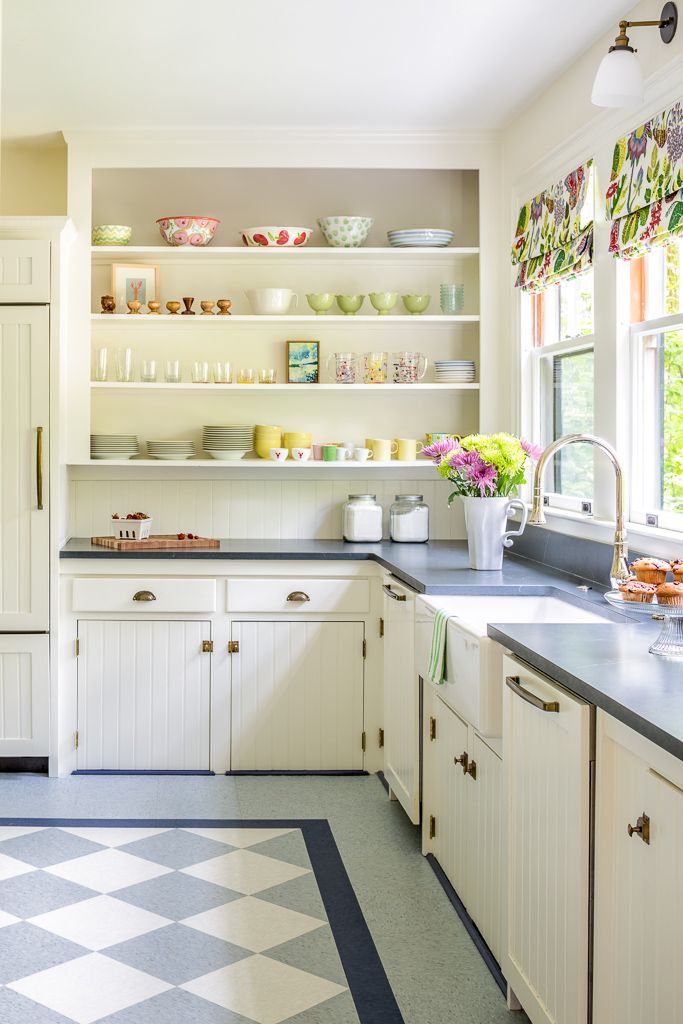
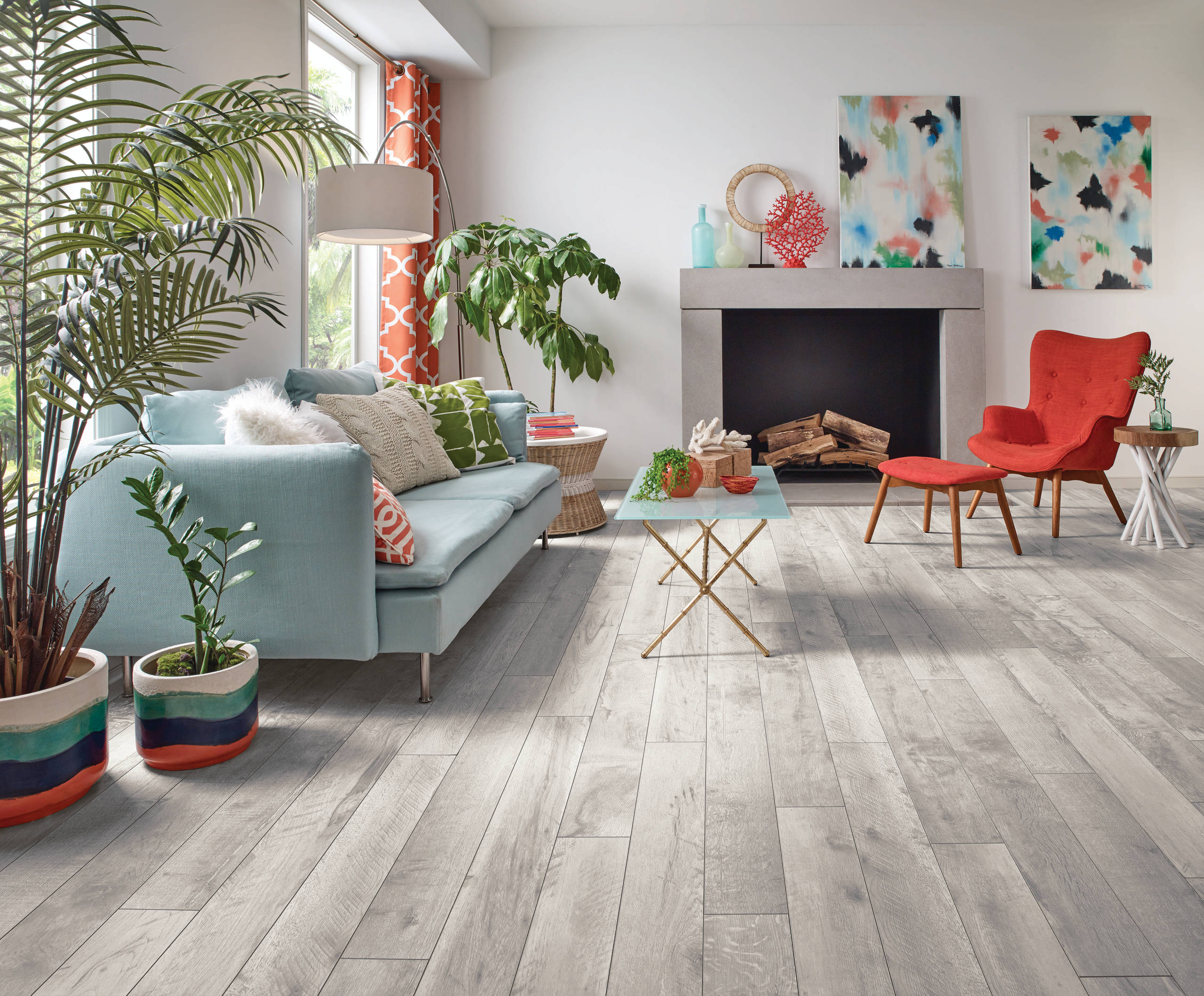
Choosing linoleum flooring rolls offers several advantages beyond visual appeal. These benefits make them a practical and cost-effective flooring solution.
Long-Term Cost Efficiency
Although initial costs may be higher than some alternatives, linoleum’s durability ensures fewer replacements and repairs.
Wide Range of Designs
From marble-like textures to solid colors and geometric patterns, linoleum suits diverse interior styles.
Easy Maintenance
Regular sweeping and occasional mopping are sufficient to keep the surface clean and shiny.
Allergy-Friendly Surface
Linoleum does not trap dust or allergens, improving indoor air quality.
Fade Resistance
Colors are embedded throughout the material, preventing fading even after years of use.
Types of Linoleum Flooring Rolls
Understanding different varieties helps you choose the best option for your needs.
Sheet Linoleum
This is the most common type, sold in large rolls that minimize seams and provide a smooth finish.
Patterned Linoleum
Designed with decorative patterns and textures for enhanced visual appeal.
Solid Color Linoleum
Offers a uniform appearance suitable for minimalist and modern interiors.
Specialty Linoleum
Includes slip-resistant or heavy-duty options designed for commercial use.
Each variety of linoleum flooring rolls serves specific functional and aesthetic purposes.
Applications of Linoleum Flooring Rolls
This flooring solution is versatile and suitable for multiple environments.
Residential Spaces
-
Living rooms
-
Kitchens
-
Bedrooms
-
Hallways
Commercial Areas
-
Offices
-
Hospitals
-
Schools
-
Retail stores
Industrial Settings
Heavy-duty linoleum is ideal for spaces requiring durability and hygiene.
Due to its flexibility and resilience, linoleum flooring rolls adapt well to various applications.
Installation Process
Proper installation ensures maximum performance and longevity. The installation of linoleum flooring rolls requires precision and expertise.
Step-by-Step Installation
-
Surface Preparation – The subfloor must be clean, dry, and level.
-
Measuring and Cutting – Rolls are measured and cut according to room dimensions.
-
Adhesive Application – Special adhesive is applied evenly.
-
Laying the Flooring – The linoleum sheet is carefully positioned.
-
Rolling and Sealing – Air bubbles are removed, and seams are sealed.
Professional installation is recommended to achieve seamless results.
Installation Cost Overview
Below is a general table showing estimated costs associated with linoleum flooring installation.
| Component | Estimated Cost Range |
|---|---|
| Material Cost (per sq ft) | $3 – $8 |
| Installation Labor | $2 – $5 per sq ft |
| Subfloor Preparation | $1 – $3 per sq ft |
| Adhesive & Supplies | $0.50 – $1 per sq ft |
| Total Estimated Cost | $6 – $17 per sq ft |
Costs may vary based on location, material quality, and project complexity.
Linoleum Flooring Rolls vs Other Flooring Options
Understanding how linoleum compares with alternatives helps in decision-making.
Linoleum vs Vinyl
Linoleum is natural and eco-friendly, while vinyl is synthetic but more water-resistant.
Linoleum vs Hardwood
Hardwood offers premium aesthetics but requires higher maintenance.
Linoleum vs Tiles
Tiles are more durable but less comfortable underfoot.
These comparisons highlight why linoleum flooring rolls are often chosen for sustainability and comfort.
Maintenance and Care Tips
Proper maintenance enhances the lifespan and appearance of your flooring.
Daily Cleaning
Sweep or vacuum regularly to remove dust and debris.
Weekly Cleaning
Use a damp mop with mild cleaning solution.
Preventive Measures
-
Use furniture pads to avoid scratches.
-
Avoid excessive moisture exposure.
-
Clean spills immediately.
Routine care keeps linoleum flooring rolls looking new for decades.
Design Ideas Using Linoleum Flooring Rolls
Interior designers appreciate linoleum for its versatility and visual appeal.
Minimalist Interiors
Neutral tones create a clean and elegant look.
Retro Designs
Bold colors and patterns provide vintage charm.
Modern Spaces
Geometric patterns enhance contemporary aesthetics.
Natural Themes
Earthy tones complement organic interior styles.
These design possibilities make linoleum flooring rolls suitable for diverse décor themes.
Environmental Impact and Sustainability
Sustainability is one of the strongest advantages of linoleum flooring.
Renewable Materials
Made from natural resources like linseed oil and cork.
Biodegradable Composition
Linoleum decomposes naturally without harming the environment.
Low Carbon Footprint
Manufacturing requires less energy compared to synthetic flooring.
Improved Indoor Air Quality
Low emissions contribute to healthier living spaces.
Eco-conscious homeowners often choose linoleum flooring rolls to reduce environmental impact.
Common Myths About Linoleum Flooring
Several misconceptions exist about this flooring type.
Myth 1: Linoleum Looks Outdated
Modern designs offer stylish and contemporary finishes.
Myth 2: It Is Difficult to Maintain
Simple cleaning routines keep it in excellent condition.
Myth 3: Limited Design Options
Linoleum is available in countless colors and patterns.
Understanding these facts helps clarify the true value of linoleum flooring rolls.
Advantages and Disadvantages
Advantages
-
Eco-friendly and sustainable
-
Highly durable
-
Comfortable surface
-
Wide design variety
-
Long lifespan
Disadvantages
-
Requires professional installation
-
Sensitive to excessive moisture
-
Higher upfront cost than some options
Despite minor drawbacks, linoleum flooring rolls remain a reliable flooring solution.
Buying Guide: How to Choose the Right Linoleum Flooring
When selecting flooring, consider the following factors:
Thickness and Quality
Thicker material provides better durability.
Design and Color
Choose shades that complement your interior.
Room Usage
Select heavy-duty options for high-traffic areas.
Budget Considerations
Compare material and installation costs.
Brand Reputation
Choose reputable manufacturers for quality assurance.
Careful evaluation ensures the best results when investing in linoleum flooring rolls.
Future Trends in Linoleum Flooring
Flooring trends continue to evolve with changing consumer preferences.
Smart Flooring Integration
Some modern solutions include antimicrobial coatings and enhanced durability.
Sustainable Manufacturing
Greater focus on renewable materials and eco-friendly processes.
Custom Designs
Personalized patterns and textures are becoming more common.
Hybrid Flooring Solutions
Combination of linoleum with other materials for improved performance.
These trends indicate a promising future for linoleum flooring rolls in modern construction.
Quick Featured Answer Style
What are linoleum flooring rolls?
Linoleum flooring rolls are sheet-based floor coverings made from natural materials like linseed oil, cork dust, and wood flour, offering durability and eco-friendly benefits.
How long does linoleum flooring last?
With proper maintenance, linoleum flooring can last between 25 and 40 years.
Is linoleum flooring waterproof?
Linoleum is water-resistant but not completely waterproof. Proper sealing improves moisture resistance.
Where can linoleum flooring be used?
It is suitable for homes, offices, hospitals, schools, and commercial environments.
Conclusion
Flooring significantly impacts both the functionality and aesthetics of a space, and choosing the right material is essential for long-term satisfaction. With their natural composition, durability, and versatile design options, linoleum flooring rolls offer an excellent balance of sustainability and performance. They provide comfort, longevity, and visual appeal while supporting environmentally responsible living.
Whether you are renovating your home or designing a commercial space, linoleum flooring presents a practical and stylish solution. Its cost efficiency, low maintenance requirements, and eco-friendly properties make it a smart investment for modern interiors. By understanding its features, installation process, and maintenance needs, you can confidently choose this flooring option to enhance your living or working environment.
Read More:- Linoleum Flooring Rolls Clearance – Affordable Flooring Guide, Benefits, Prices & Buying Tips


