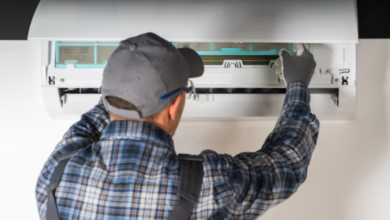
Few household problems are as frustrating as an air conditioner that suddenly stops working during a hot day. While complete system failures can seem to happen without warning, most air conditioners show signs of trouble long before they break down entirely. Recognizing these warning signs early can help homeowners avoid costly repairs, unexpected breakdowns, and uncomfortable indoor temperatures.
If you notice changes in your system’s performance, scheduling professional AC repair in Roswell, GA may help address minor issues before they become major problems. Understanding what to watch for can make all the difference when it comes to protecting your comfort and extending the life of your HVAC system.
Weak Airflow Throughout Your Home
One of the earliest signs of a failing air conditioner is weak airflow. If you notice that less air is coming from your vents than usual, your system may be struggling to circulate air effectively.
Several issues can contribute to reduced airflow, including:
- Dirty or clogged air filters
- Blocked ductwork
- Failing blower motors
- Frozen evaporator coils
Weak airflow forces your system to work harder to maintain the desired temperature, which can increase energy consumption and place additional strain on key components.
Uneven Cooling Between Rooms
An air conditioner in good condition should cool your home consistently. If some rooms feel comfortable while others remain noticeably warmer, your system may be experiencing performance issues.
Uneven cooling can result from:
- Duct leaks
- Thermostat problems
- Aging HVAC equipment
- Airflow restrictions
While occasional temperature differences may occur, persistent hot spots throughout your home often indicate a problem that should not be ignored.
Rising Energy Bills Without Explanation
Many homeowners first notice HVAC problems when their utility bills begin climbing unexpectedly. As air conditioning systems age or develop mechanical issues, they often lose efficiency.
When components are not operating properly, the system may run longer cycles to achieve the same level of cooling. This increased workload consumes more energy and leads to higher monthly costs.
If your usage habits have not changed but your bills continue rising, your air conditioner may require inspection and maintenance.
Strange Sounds Coming From the Unit
Modern air conditioning systems typically operate quietly. While some normal operating sounds are expected, unusual noises can signal developing mechanical problems.
Pay attention to sounds such as:
- Grinding
- Banging
- Squealing
- Rattling
- Buzzing
These noises may indicate loose parts, motor issues, worn bearings, or electrical problems. Addressing unusual sounds promptly can help prevent further damage and reduce repair costs.
Frequent Cycling On and Off
Air conditioners naturally cycle on and off as they regulate indoor temperatures. However, if your system starts cycling much more frequently than normal, it could indicate an underlying issue.
Common causes of short cycling include:
- Thermostat malfunctions
- Refrigerant problems
- Dirty coils
- Oversized equipment
- Electrical faults
Frequent cycling places additional stress on system components and can shorten the lifespan of your equipment.
Warm Air Coming From the Vents
If your air conditioner is running but blowing warm or room-temperature air, something is preventing the cooling process from functioning correctly.
Possible causes include:
- Refrigerant leaks
- Compressor issues
- Thermostat settings
- Electrical malfunctions
Warm air from the vents should never be ignored, especially during peak cooling season. Prompt diagnosis can help prevent more extensive system damage.
Excess Humidity Indoors
Air conditioners do more than cool your home—they also help remove excess moisture from indoor air. When a system begins to fail, humidity levels often rise.
Signs of excess indoor humidity include:
- Sticky or clammy air
- Condensation on windows
- Musty odors
- Increased mold or mildew growth
If your home feels humid despite the air conditioner running regularly, your system may no longer be operating efficiently.
Unpleasant Odors When the System Runs
Strange smells coming from your vents can indicate several different HVAC issues.
Common odors include:
- Musty smells from mold or mildew
- Burning odors from electrical components
- Chemical smells from refrigerant leaks
Persistent odors often signal conditions that can affect both system performance and indoor air quality. Identifying the source early can help prevent larger problems from developing.
Water Leaks Around the Unit
Moisture around your indoor or outdoor AC unit should always be investigated. While some condensation is normal, visible puddles or water accumulation can indicate a problem.
Potential causes include:
- Clogged condensate drain lines
- Frozen evaporator coils
- Damaged drain pans
- Pump failures
Ignoring water leaks can lead to structural damage, mold growth, and costly repairs beyond the HVAC system itself.
The System Is More Than 10 Years Old
Age alone does not necessarily mean your air conditioner is failing, but older systems are generally more vulnerable to breakdowns and efficiency losses.
Most residential air conditioning systems have a lifespan of approximately 10 to 15 years, depending on maintenance and usage patterns. As equipment ages, components experience wear that can lead to more frequent repairs and reduced reliability.
If your system is reaching the later stages of its lifespan and showing multiple warning signs, professional evaluation may help determine whether repairs or replacement make the most sense.
Delaying Repairs Can Make Problems Worse
Many homeowners postpone HVAC repairs when the system is still functioning at some level. However, minor issues often become more serious when left unresolved.
For example:
- A clogged filter can damage motors.
- Refrigerant leaks can strain compressors.
- Electrical problems can affect multiple components.
- Airflow restrictions can cause overheating.
Addressing concerns early often results in lower repair costs and less disruption to your daily routine.
Homeowners who experience any of these symptoms should consider professional AC repair in Roswell, GA to address developing issues, restore reliable performance, and help prevent costly system failures during periods of high demand.
Conclusion
Air conditioners rarely fail without warning. Weak airflow, uneven cooling, unusual noises, rising energy bills, and excess humidity are all signs that your system may be struggling. By paying attention to these early indicators, homeowners can take action before a minor issue turns into a complete system failure.
Routine maintenance and timely repairs remain the best ways to protect your investment and maintain reliable indoor comfort. When warning signs appear, acting quickly can help extend equipment life, improve efficiency, and keep your home comfortable throughout the cooling season.