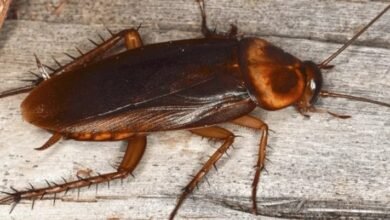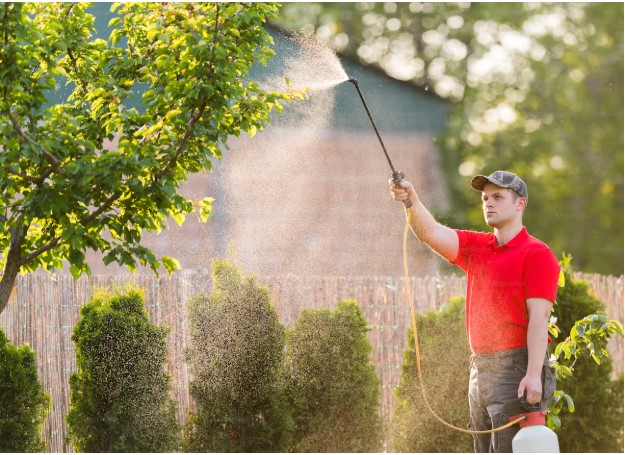
Pests are more than just an inconvenience for homeowners—they can pose serious health risks, damage property, and create long-term sanitation problems if left unchecked. From insects invading kitchens to rodents nesting in hidden corners, pest infestations can escalate quickly without proper prevention and control. Effective pest management is not about reacting once a problem appears but about adopting consistent strategies that keep your home protected year-round.
Below are proven pest control strategies every homeowner should follow to maintain a safe, clean, and pest-free living environment.
1. Maintain a High Standard of Cleanliness Throughout the Home
Cleanliness plays a crucial role in preventing pest infestations. Food crumbs, spills, and unsealed leftovers attract insects and rodents into living spaces. Kitchens, dining areas, and pantries should be cleaned regularly, with food stored in airtight containers.
Floors should be vacuumed and mopped to remove food particles and pest eggs. Bathrooms and laundry areas also need attention, as moisture and residue can attract pests. A consistently clean home removes the primary incentives pests seek—food and shelter.
2. Seal Entry Points and Repair Structural Vulnerabilities
Pests often enter homes through tiny cracks, gaps, or damaged structural areas. Homeowners should regularly inspect doors, windows, walls, vents, and utility entry points. Sealing cracks with caulk, repairing damaged screens, and installing weather stripping around doors can significantly reduce pest entry.
Even small openings can allow ants, roaches, and rodents inside. Preventive sealing creates a physical barrier that blocks pests before they become a problem.
3. Use Pest Control Services for Long-Term Protection
While DIY solutions can help with minor pest issues, pest control services offer comprehensive and long-lasting protection. Professional pest control experts use targeted treatments designed to eliminate pests at all life stages while identifying hidden nesting areas that homeowners often miss.
Pest control services also provide customised prevention plans based on your home’s specific needs, helping to prevent future infestations. Investing in professional services saves time, reduces health risks, and ensures effective pest management throughout the year.
4. Manage Moisture and Reduce Damp Areas
Many pests thrive in moist environments, making leaks and damp areas a major attraction. Fix leaking pipes, faucets, and drainage issues as soon as they are noticed. Ensure proper ventilation in bathrooms, basements, kitchens, and crawl spaces.
Using dehumidifiers in humid areas can further discourage pests such as cockroaches and silverfish. A dry environment makes your home far less appealing to moisture-dependent pests.
5. Conduct Regular Inspections and Preventive Treatments
Routine inspections are essential for early detection of pest activity. Homeowners should regularly check basements, attics, garages, crawl spaces, and storage areas where pests commonly hide. Preventive treatments—whether professional or approved DIY methods—can stop infestations before they grow.
Monitoring pest-prone areas and responding quickly to early signs such as droppings, nests, or unusual odours prevents minor issues from turning into costly problems.
Conclusion
Effective pest control requires consistency, awareness, and preventive action. By maintaining cleanliness, sealing entry points, managing moisture, relying on pest control services, and conducting regular inspections, homeowners can protect their homes from unwanted infestations. A proactive approach not only safeguards your property and health but also ensures long-term peace of mind and a healthier living environment for your family.
Effective pest control requires consistency, awareness, and preventive action. By maintaining cleanliness, sealing entry points, managing moisture, relying on pest control services, and conducting regular inspections, homeowners can protect their homes from unwanted infestations. A proactive approach not only safeguards your property and health but also ensures long-term peace of mind and a healthier living environment for your family.