A low-maintenance home isn’t about cutting corners; it’s about making smart choices upfront so you spend less time and money on repairs and upkeep later. From material selection to infrastructure decisions, small design choices compound into significant savings in effort over the years. Homeowners who plan for low maintenance from the outset tend to spend far less time firefighting small problems and far more time actually enjoying their homes. Here’s how to approach it.
Choose Durable, Easy-Care Flooring
Vitrified tiles, engineered wood, and high-quality vinyl all resist staining and wear far better than options that look good initially but demand constant care. Durable flooring isn’t just about aesthetics; it directly reduces the frequency and cost of repairs over the life of the home. When comparing flooring options, factor in not just the upfront cost but how the material performs after years of foot traffic, spills, and cleaning, since the cheapest option upfront isn’t always the cheapest over a decade of ownership.
Simplify Your Fixtures and Fittings
Fewer moving parts generally mean fewer things that can break. Choosing quality faucets, door handles, and switchboards from reputable brands upfront costs more initially but saves considerably on replacements and repairs over time. This principle extends to nearly every fitting in the home, from cabinet hinges to window latches, and it’s a philosophy worth applying consistently rather than selectively.
Get Your Plumbing Infrastructure Right the First Time
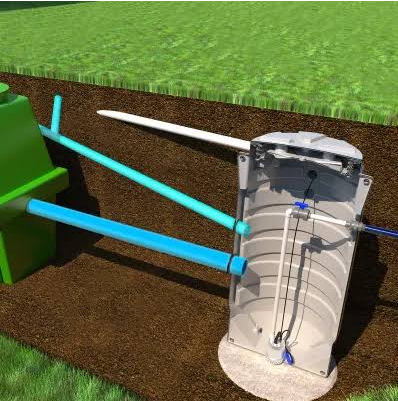
Plumbing is one of the most disruptive things to fix after the fact, since it often means breaking into finished walls or floors. If you’re designing a home with rooms that don’t have natural access to gravity drainage, a basement washroom, a kitchen island, or an additional utility space, plan for a reliable pumping solution from the start rather than retrofitting later. Products like the Saniaccess 3 and the broader lifting station range of options are designed for exactly this kind of planning, and choosing the right one during the design phase avoids costly rework once the home is finished and lived in.
Reduce Landscaping Upkeep
If low maintenance is a priority, opt for native, drought-tolerant plants and hardscaping elements like gravel paths or paved areas instead of high-maintenance lawns. This keeps your outdoor spaces attractive without demanding constant watering, mowing, and pruning. Automated drip irrigation for whatever planting you do keep can further reduce the time spent on outdoor upkeep, particularly during hotter months.
Think About Long-Term Cleaning, Not Just Initial Appearance
Certain design choices look striking on day one but become a genuine burden to maintain, such as glass shower enclosures that show every water spot, light-colored grout that stains quickly, or intricate light fixtures that collect dust in hard-to-reach corners. Choosing slightly more forgiving alternatives at the design stage saves considerable ongoing effort without meaningfully compromising on style.
Build in Regular Servicing, Not Just Good Materials
Even the best materials and equipment need periodic checks. Schedule regular servicing for your water pump, electrical panels, and HVAC systems rather than waiting for something to fail. A well-documented maintenance routine catches small issues before they become expensive emergencies, which is the core principle behind any genuinely low-maintenance home, regardless of how well it was designed initially.
Design Storage That Doesn’t Need Constant Reorganizing
A low-maintenance home also means storage that actually works for how you live, rather than looking neat only right after it’s organized. Built-in wardrobes, labeled shelving, and dedicated spots for frequently used items reduce the daily friction of tidying up, which over time has a bigger impact on how manageable a home feels than any single material choice. Homes designed with realistic storage needs in mind tend to stay organized with far less ongoing effort than those where storage was an afterthought.
Pick Paint and Wall Finishes That Forgive Everyday Living
Washable, scuff-resistant paint finishes cost only marginally more than standard options but save considerable effort over the years, particularly in high-traffic areas like hallways, stairwells, and spaces used frequently by children or pets. A finish that can be wiped clean rather than repainted every time it marks means one less recurring maintenance task, and it keeps the home looking presentable without constant touch-ups. This is a small decision made once during construction or renovation that continues paying off for as long as you live in the home.
Final Thoughts
Designing a low-maintenance home means thinking ahead, choosing durable materials, planning your plumbing and drainage infrastructure properly from the start, and committing to light, regular upkeep rather than reactive repairs. The upfront effort pays off in years of hassle-free living.