Introduction
A chimney cap is a protective covering installed at the top of a chimney flue. It typically consists of a metal hood and mesh sides designed to keep rain, debris, animals, and sparks from entering your chimney while allowing smoke and gases to escape safely.
Many homeowners overlook this small component, but it plays a critical role in maintaining the safety, efficiency, and longevity of a chimney system. Without proper protection, chimneys can suffer from water damage, blockages, and airflow problems that affect heating performance.
A well-designed chimney cap prevents moisture from entering the chimney structure, protects against nesting animals, and improves overall ventilation. It also acts as a spark arrestor, reducing fire hazards by stopping hot embers from escaping onto the roof.
Why a Chimney Cap Is Important
Installing a chimney cap offers several essential benefits for homeowners. It protects your chimney from environmental damage while improving heating efficiency and home safety.
1. Prevents Water Damage
Rainwater is one of the biggest threats to chimney structures. Moisture can weaken masonry, rust metal components, and damage liners. A chimney cap acts as a barrier against rain and snow.
2. Keeps Animals Out
Birds, squirrels, and raccoons often seek shelter in chimneys. The mesh sides of a chimney cap prevent animals from entering and creating blockages.
3. Blocks Debris
Leaves, twigs, and dirt can accumulate inside chimneys, restricting airflow. Installing a chimney cap keeps debris from entering.
4. Improves Draft Performance
Proper airflow is essential for safe combustion. A chimney cap helps regulate air movement and prevents downdrafts.
5. Prevents Sparks and Fires
Spark arrestor features in many chimney cap designs stop embers from landing on the roof or nearby structures.
Types of Chimney Cap


There are several chimney cap designs available, each serving different needs and chimney structures.
Single-Flue Chimney Cap
This type covers one flue opening and is commonly used in residential homes. It is affordable and easy to install.
Multi-Flue Chimney Cap
Designed for chimneys with multiple flue openings, this cap covers the entire chimney crown.
Draft-Increasing Chimney Cap
These models improve airflow and reduce smoke backflow, especially in windy areas.
Decorative Chimney Cap
Combining function with style, decorative designs enhance a home’s exterior appearance.
Custom Chimney Cap
Custom-made caps fit unique chimney sizes and shapes, offering maximum protection.
Materials Used in Chimney Cap Construction

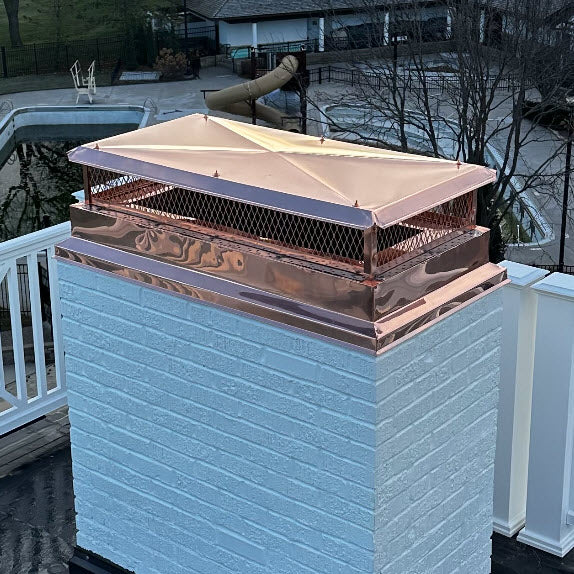
The material of a chimney cap determines its durability, appearance, and resistance to weather.
Stainless Steel
-
Highly durable
-
Rust resistant
-
Long lifespan
-
Popular for residential use
Copper
-
Premium appearance
-
Develops natural patina
-
Extremely long-lasting
-
Higher cost
Galvanized Steel
-
Budget-friendly
-
Shorter lifespan
-
May rust over time
Aluminum
-
Lightweight
-
Corrosion resistant
-
Suitable for mild climates
How a Chimney Cap Works
A chimney cap works by covering the chimney opening with a protective hood supported by mesh sides. The hood prevents rain from entering, while the mesh blocks debris and animals. At the same time, smoke and gases escape freely through the sides.
The design also helps regulate airflow, preventing strong winds from forcing smoke back into the house. This ensures safe and efficient operation of fireplaces, stoves, and heating systems.
Signs You Need a Chimney Cap Replacement
If your chimney cap becomes damaged or worn, it may fail to protect your chimney effectively. Look for these signs:
-
Rust or corrosion
-
Loose or missing cap
-
Water inside fireplace
-
Animal noises in chimney
-
Poor fireplace draft
-
Visible cracks or damage
Replacing a damaged chimney cap quickly prevents costly repairs.
Chimney Cap Installation Process
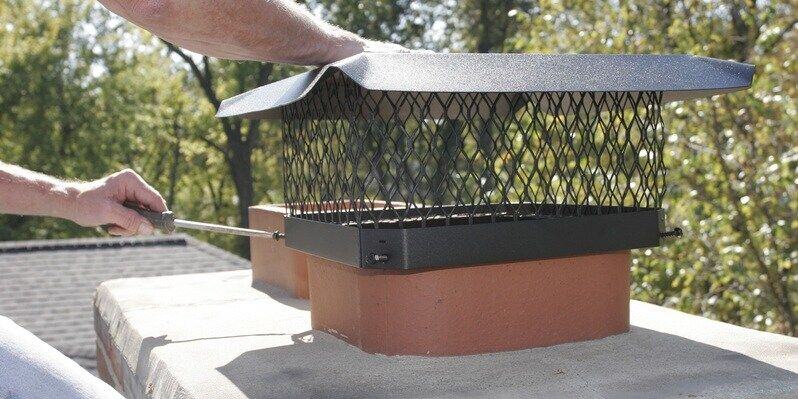
Installing a chimney cap can be done professionally or as a DIY project if proper safety measures are followed.
Step 1: Measure the Flue
Accurate measurements ensure the correct cap size.
Step 2: Choose the Right Material
Select a material based on climate, budget, and durability needs.
Step 3: Position the Cap
Place the chimney cap securely over the flue.
Step 4: Secure the Cap
Tighten screws or clamps to prevent movement.
Step 5: Inspect Installation
Ensure proper fit and airflow after installation.
Professional installation is recommended for complex chimney structures.
Chimney Cap Maintenance Tips
Regular maintenance keeps a chimney cap functioning efficiently and extends its lifespan.
-
Inspect annually for damage
-
Remove debris buildup
-
Check for rust or corrosion
-
Clean mesh screens
-
Ensure secure attachment
Routine maintenance prevents airflow issues and structural damage.
Cost of Chimney Cap Installation
The cost varies depending on material, size, and installation method.
| Type | Average Cost Range |
|---|---|
| Galvanized Steel | ₹1,500 – ₹4,000 |
| Stainless Steel | ₹4,000 – ₹12,000 |
| Copper | ₹15,000 – ₹40,000 |
| Custom Design | ₹20,000+ |
| Professional Installation | ₹3,000 – ₹10,000 |
Prices may vary depending on location and chimney complexity.
Common Problems Without a Chimney Cap
Homes without a chimney cap often experience several issues:
Water Leakage
Moisture causes structural damage and mold growth.
Animal Infestation
Bird nests and animal entry block airflow.
Reduced Efficiency
Improper draft reduces heating performance.
Fire Hazards
Escaping sparks increase fire risk.
Chimney Deterioration
Weather exposure accelerates wear and damage.
Benefits of Installing a Chimney Cap for Home Safety
A chimney cap improves overall home safety by preventing structural damage, enhancing ventilation, and reducing fire hazards. It also protects indoor air quality by ensuring proper smoke exhaust and preventing blockages.
For homeowners using fireplaces regularly, installing a chimney cap is an essential preventive measure.
Choosing the Right Chimney Cap
When selecting a chimney cap, consider:
-
Chimney size and type
-
Weather conditions
-
Material durability
-
Budget
-
Maintenance requirements
-
Aesthetic preference
Proper selection ensures long-term performance and protection.
Chimney Cap vs Chimney Crown
Many homeowners confuse chimney caps with chimney crowns.
| Feature | Chimney Cap | Chimney Crown |
|---|---|---|
| Location | Top of flue opening | Top surface of chimney |
| Purpose | Prevent debris and animals | Protect masonry structure |
| Material | Metal | Concrete or mortar |
| Replacement | Easy | Complex |
Both components work together to protect the chimney system.
Environmental and Energy Benefits
A chimney cap contributes to energy efficiency by maintaining proper draft and preventing heat loss. It also reduces emissions by ensuring complete combustion and preventing airflow blockages.
Additionally, it protects wildlife by preventing animals from becoming trapped inside chimneys.
Professional Inspection and Safety
Annual chimney inspections help identify potential issues early. Professionals check for:
-
Structural damage
-
Blockages
-
Draft performance
-
Cap condition
-
Fire hazards
Regular inspections maintain safety and efficiency.
What does a chimney cap do?
A chimney cap protects the chimney from rain, debris, animals, and sparks while improving airflow and safety.
Is a chimney cap necessary?
Yes, it prevents water damage, improves draft, and reduces fire hazards.
How long does a chimney cap last?
Stainless steel caps last 10–20 years, while copper caps can last decades.
Can I install a chimney cap myself?
DIY installation is possible, but professional installation ensures safety and proper fit.
Future Trends in Chimney Cap Design
Modern chimney cap designs focus on improved durability, better airflow control, and enhanced aesthetics. Manufacturers now produce weather-resistant coatings, advanced spark arrestor technology, and custom decorative designs that complement architectural styles.
Sustainability and energy efficiency are also influencing chimney cap innovations.
Conclusion
A chimney cap is a small yet essential component that protects your chimney, improves heating efficiency, and enhances home safety. From preventing water damage and animal intrusion to reducing fire risks and improving ventilation, its benefits are significant.
Choosing the right material, ensuring proper installation, and maintaining the cap regularly will help extend the lifespan of your chimney system. Whether installing a new system or upgrading an existing one, investing in a high-quality chimney cap ensures long-term protection and peace of mind for homeowners.
Read More:- Chimney Cap Replacement: Complete Homeowner Guide