Introduction
Linoleum flooring is a durable, eco-friendly floor covering made from natural materials such as linseed oil, cork dust, wood flour, limestone, and natural pigments. It has been widely used in residential and commercial spaces for more than a century due to its resilience, sustainability, and timeless appeal.
Unlike synthetic flooring materials, linoleum flooring is biodegradable and environmentally friendly. It offers excellent durability, water resistance, and comfort underfoot, making it ideal for kitchens, living rooms, offices, and high-traffic areas.
In modern interior design, linoleum flooring has regained popularity because of its versatility, wide range of colors, and improved manufacturing technology. Whether you’re renovating your home or designing a new space, linoleum flooring provides both style and functionality.
Why Linoleum Flooring Is Gaining Popularity
The growing interest in sustainable living and eco-friendly construction materials has increased demand for linoleum flooring. Homeowners and designers appreciate its natural composition and long lifespan.
Key Reasons for Its Popularity
-
Environmentally sustainable materials
-
Long-lasting durability
-
Comfortable walking surface
-
Low maintenance requirements
-
Stylish design options
-
Natural antibacterial properties
Linoleum flooring is especially valued for its ability to withstand heavy use while maintaining its appearance for decades. Many modern homeowners choose linoleum flooring because it combines environmental responsibility with aesthetic flexibility.
Benefits of Linoleum Flooring
Durable and Long-Lasting Performance
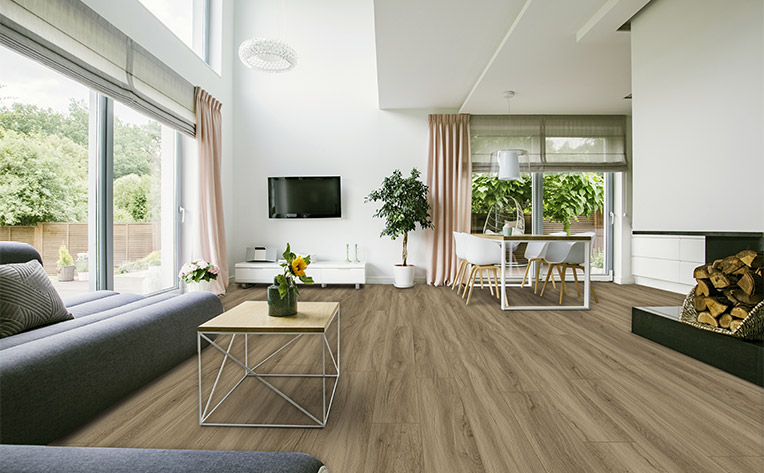
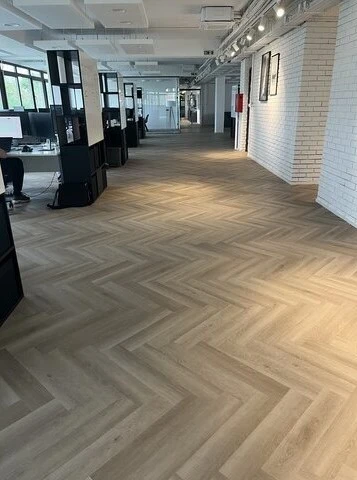

One of the most significant advantages of linoleum flooring is its durability. Properly maintained floors can last between 25 and 40 years. The material resists scratches, dents, and everyday wear, making it suitable for busy households.
Environmental Sustainability
Linoleum flooring is made from renewable materials, making it a top choice for environmentally conscious homeowners. It produces fewer harmful emissions during manufacturing and decomposes naturally at the end of its life cycle.
Comfort and Softness
Compared to ceramic tiles or hardwood, linoleum flooring offers a softer and warmer surface. This makes it comfortable for standing long hours in kitchens or workspaces.
Water and Stain Resistance
Although not completely waterproof, linoleum flooring resists moisture and stains when properly sealed. This makes it practical for kitchens and moderate-moisture areas.
Natural Antibacterial Properties
Linseed oil in linoleum flooring naturally inhibits bacterial growth, improving indoor hygiene.
Types of Linoleum Flooring
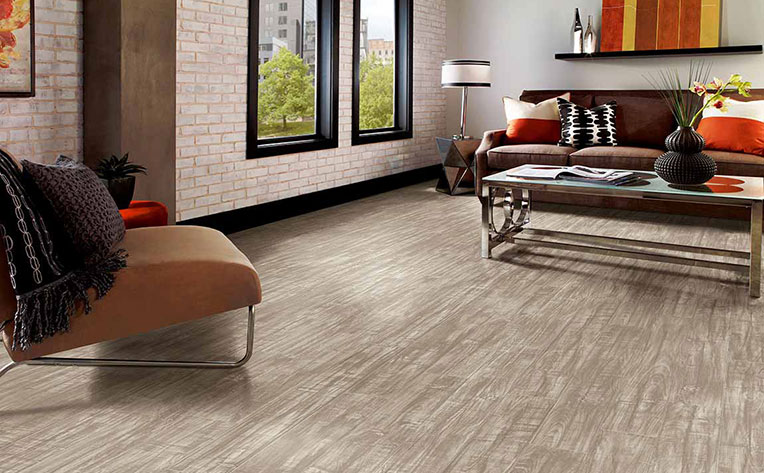

Different types of linoleum flooring allow homeowners to choose according to design needs, installation preference, and budget.
1. Sheet Linoleum
This type comes in large rolls and provides a seamless look. It is ideal for areas where moisture resistance is important, such as kitchens and bathrooms.
2. Linoleum Tiles
Tiles are easy to install and replace individually if damaged. They also allow creative pattern combinations.
3. Floating Linoleum (Click Flooring)
Floating linoleum flooring uses interlocking planks that do not require adhesive, making installation simple and quick.
4. Patterned Linoleum
Available in various textures, colors, and designs, patterned options enhance interior aesthetics.
Linoleum Flooring vs Other Flooring Options
Choosing the right flooring often requires comparing different materials. Below is a helpful comparison.
Flooring Comparison
| Feature | Linoleum Flooring | Vinyl Flooring | Hardwood Flooring | Ceramic Tile |
|---|---|---|---|---|
| Material | Natural | Synthetic | Natural wood | Clay-based |
| Durability | Very high | High | Moderate | Very high |
| Eco-Friendly | Yes | No | Yes | Moderate |
| Maintenance | Low | Low | High | Moderate |
| Water Resistance | Moderate | High | Low | Very high |
| Lifespan | 25–40 years | 10–20 years | 20–30 years | 50+ years |
| Comfort | Soft and warm | Moderate | Moderate | Hard |
This table shows why linoleum flooring is often preferred for sustainability and comfort while maintaining strong durability.
Installation Process of Linoleum Flooring


Installing linoleum flooring requires proper preparation and careful handling. While professionals ensure the best results, experienced homeowners can also install it themselves.
Step-by-Step Installation Guide
1. Surface Preparation
The subfloor must be clean, dry, and level to ensure smooth installation.
2. Measurement and Cutting
Accurate measurement prevents waste and ensures proper fitting.
3. Adhesive Application
Adhesive secures the material firmly to the surface.
4. Positioning and Rolling
The flooring is carefully placed and pressed to remove air pockets.
5. Sealing and Finishing
A protective seal enhances durability and moisture resistance.
Proper installation improves the lifespan and performance of linoleum flooring significantly.
Design Ideas Using Linoleum Flooring
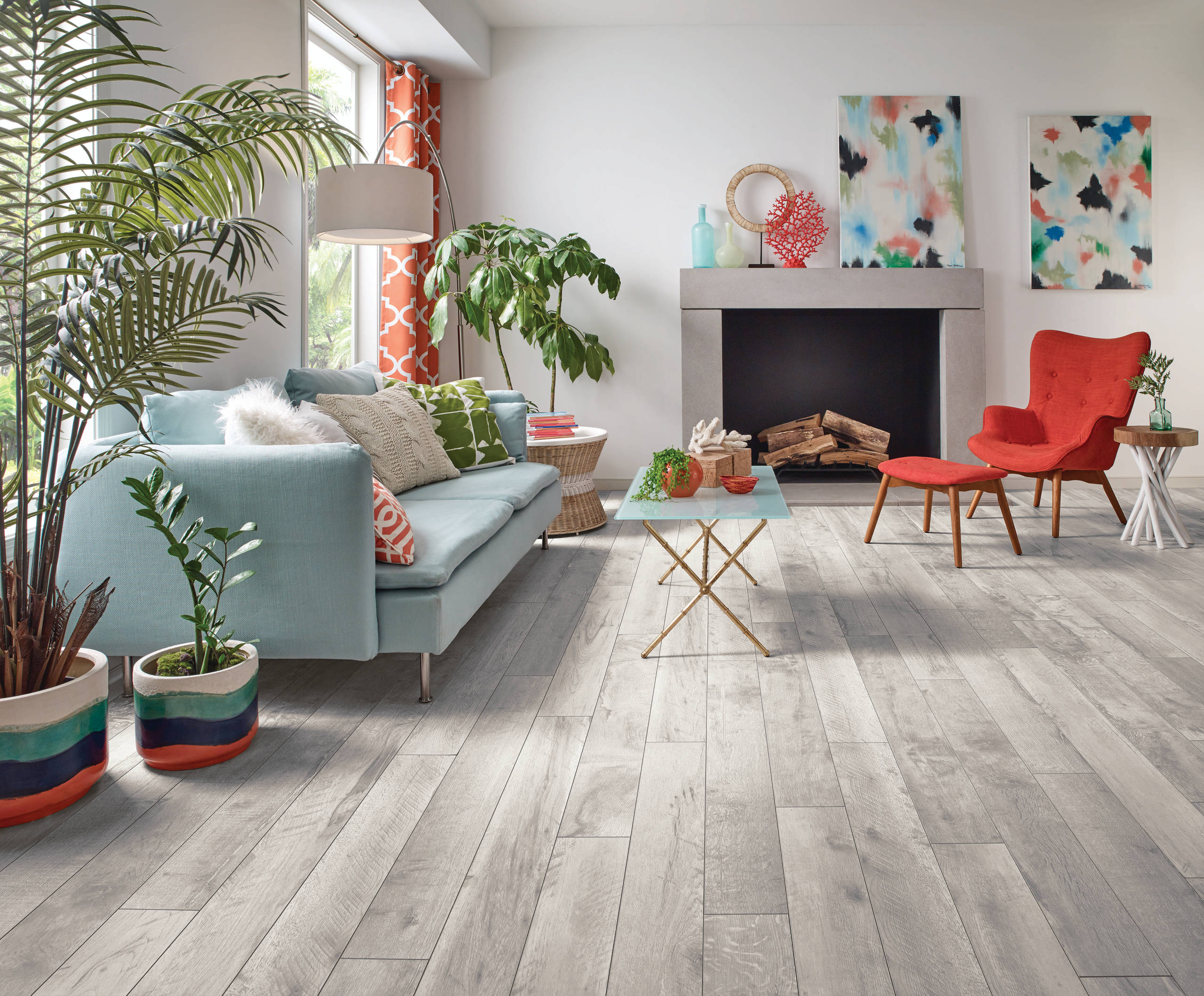
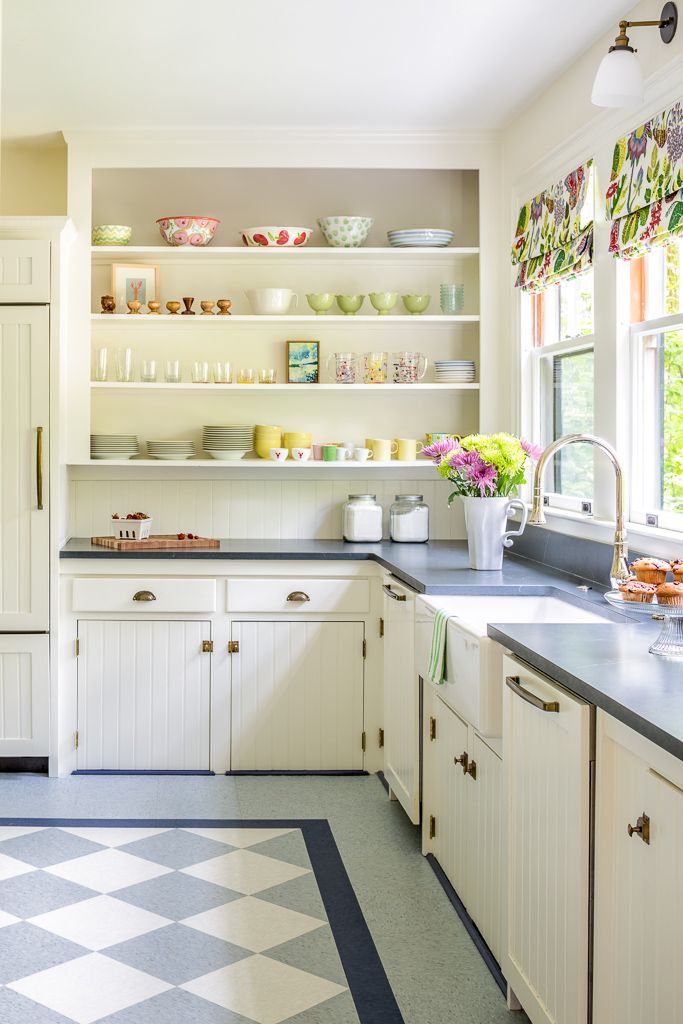
Modern linoleum flooring offers extensive design flexibility, making it suitable for different interior styles.
Minimalist Interiors
Neutral colors and simple patterns complement minimalist spaces.
Vintage Style Homes
Linoleum flooring has a classic appearance that works well in retro-inspired interiors.
Contemporary Spaces
Bold colors and geometric patterns create striking modern designs.
Kitchen Flooring Solutions
Its durability and easy maintenance make linoleum flooring perfect for kitchens.
Cost of Linoleum Flooring
The cost of linoleum flooring depends on material quality, installation complexity, and design choice.
Average Price Range
-
Basic linoleum: ₹150–₹300 per square foot
-
Premium designs: ₹300–₹600 per square foot
-
Professional installation: ₹80–₹200 per square foot
Although the initial cost may be higher than vinyl, linoleum flooring provides long-term value due to its durability.
Maintenance and Cleaning Tips
Maintaining linoleum flooring is simple and cost-effective.
Daily Maintenance
-
Sweep or vacuum regularly
-
Wipe spills immediately
-
Use mild cleaning solutions
Long-Term Care
-
Apply protective sealant periodically
-
Avoid harsh chemicals
-
Use furniture pads to prevent scratches
With proper care, linoleum flooring maintains its beauty and performance for decades.
Advantages and Disadvantages of Linoleum Flooring
Advantages
-
Eco-friendly material
-
Long lifespan
-
Comfortable surface
-
Wide design options
-
Low maintenance
Disadvantages
-
Requires professional installation for best results
-
Sensitive to excessive moisture
-
Needs periodic sealing
Understanding these factors helps homeowners decide whether linoleum flooring suits their needs.
Where to Use Linoleum Flooring in Your Home
Linoleum flooring works well in multiple areas due to its durability and comfort.
Recommended Spaces
-
Living rooms
-
Kitchens
-
Bedrooms
-
Hallways
-
Home offices
-
Commercial spaces
However, it is not recommended for areas with constant moisture exposure unless properly sealed.
Sustainability and Environmental Impact
Linoleum flooring is one of the most sustainable flooring options available. Its production uses renewable resources, and it releases minimal volatile organic compounds. This improves indoor air quality and supports eco-friendly construction practices.
As more homeowners prioritize sustainable living, linoleum flooring continues to be a responsible choice for modern interiors.
Common Myths About Linoleum Flooring
Myth 1: It Looks Outdated
Modern linoleum flooring offers stylish designs and contemporary patterns.
Myth 2: It Is Difficult to Maintain
Routine cleaning and occasional sealing keep it in excellent condition.
Myth 3: It Is the Same as Vinyl
Linoleum flooring is natural, while vinyl is synthetic.
Quick Information
What makes linoleum flooring eco-friendly?
It is made from renewable materials like linseed oil and cork dust.
How long does linoleum flooring last?
With proper maintenance, it can last 25–40 years.
Is linoleum flooring suitable for kitchens?
Yes, it resists stains and provides comfort underfoot.
Does linoleum flooring require sealing?
Yes, periodic sealing enhances durability and moisture resistance.
Future Trends in Linoleum Flooring
The future of linoleum flooring focuses on sustainability, improved durability, and innovative designs. Manufacturers are introducing enhanced textures, digital printing techniques, and advanced protective coatings. These innovations continue to make linoleum flooring a popular choice in modern architecture and interior design.
Smart home integration and sustainable building practices will further increase its demand in residential and commercial spaces.
Conclusion
Linoleum flooring remains one of the most practical and sustainable flooring solutions available today. Its natural composition, durability, comfort, and design versatility make it ideal for modern homes and commercial environments. With proper installation and maintenance, linoleum flooring provides long-term value, aesthetic appeal, and environmental benefits.
Whether you prioritize sustainability, durability, or style, linoleum flooring offers a balanced solution that meets contemporary design and functional requirements. As interior design trends continue to focus on eco-friendly materials, linoleum flooring is set to remain a preferred choice for years to come.
Read More:- Linoleum Flooring Rolls: Complete Guide to Durable and Eco-Friendly Flooring