Your residential roof acts as the primary shield protecting your family and property from the elements. Over time, environmental stressors, weather events, and natural aging can compromise its integrity, potentially leading to costly repairs or complete structural failure.
Proactive maintenance is the most effective strategy to ensure longevity and prevent catastrophic damage. By staying vigilant and addressing minor issues promptly, you can significantly extend the lifespan of your roofing system and avoid the burden of unexpected renovation costs.
Routine Inspections and Professional Roofing Services
The foundation of a sound roof is regular observation. Bi-annual inspections—ideally in spring and autumn—are crucial. Look for signs of wear, such as missing, curled, or cracked shingles.
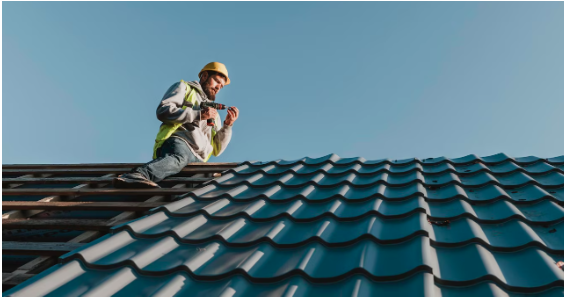
Investing in expert professional roofing services ensures that a trained technician can detect hidden vulnerabilities, like subtle flashing deterioration or structural sagging, that an untrained eye might miss. Timely interventions by professionals often convert potential disasters into minor, manageable repairs.
The Critical Importance of Residential Roofing Maintenance
Proper residential roofing upkeep involves more than just periodic checks; it requires active management of surrounding hazards. Tree branches are a common culprit for roof damage.
Overhanging limbs can scrape away protective granules on shingles during windstorms or drop debris that traps moisture.
Trimming back trees to ensure a significant clearance zone around your roof prevents mechanical damage and reduces the accumulation of organic matter, which can accelerate shingle decay.
Managing Gutter Systems for Water Prevention
Gutters are your roof’s drainage system. When they become clogged with leaves, twigs, and sediment, water is prevented from flowing away from the house.
This backup leads to standing water, which can seep beneath roofing materials, causing rot and mold. Regularly clearing your gutters and downspouts ensures efficient water diversion, protecting both your roof deck and the underlying attic space from severe water damage.
Addressing Ventilation and Attic Health
Many homeowners overlook the attic, yet it is the core of roof health. Proper ventilation prevents extreme heat buildup in the summer and moisture accumulation in the winter.
Without adequate airflow, shingles can bake from the underside, leading to premature brittleness and cracking. Ensure your attic insulation is installed correctly and that soffit or ridge vents remain unobstructed to maintain a balanced temperature across your roof deck.
Dealing with Moss and Algae Growth
In shaded or damp areas, moss and algae can thrive. While often seen as a minor aesthetic concern, moss actually retains moisture, which can cause shingle edges to lift and allow water to penetrate your roof structure.
If you notice dark streaks or green patches, use safe, gentle cleaning solutions to remove them. Avoid high-pressure washing, which can strip protective layers off shingles and cause more damage than the organisms themselves.
Monitoring Flashing and Sealant Integrity
Flashing is the metal material installed around chimneys, vents, and valleys—the areas most prone to leaks. Over time, these seals can degrade due to temperature fluctuations and structural settling.
Inspect these areas annually to ensure that the caulk or metal flashing is secure and intact. Re-sealing small gaps is an inexpensive way to stop water infiltration before it causes widespread damage to your home’s internal framework.